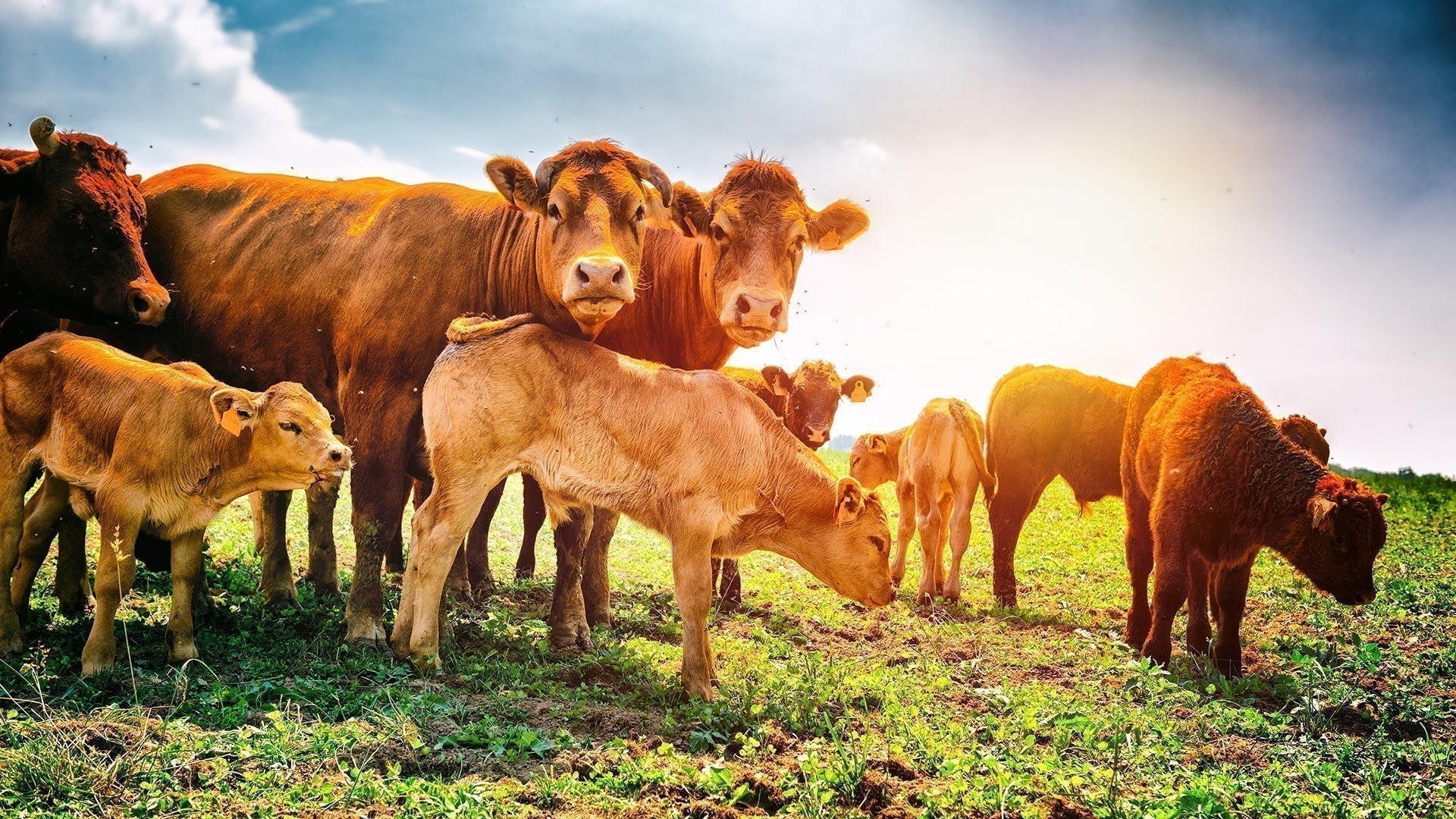
The Unrivaled Animal-Based Fuel: Why an Animal-Based Diet is the Foundation of Optimal Human Health
Introduction
For decades, the dietary landscape has been dominated by a debate: the traditional, animal-based diet versus the modern, plant-exclusive approach. While global trends may champion plant-based eating for ethical or environmental reasons, the fundamental question for any conscious individual must be: What is the superior fuel for human biology, optimized by millions of years of evolution?
At BASED Nutrition, our philosophy is forged in the fire of evolutionary wisdom and grounded in veterinary nutritional science. Our perspective is clear and uncompromising: the animal-based diet, centered on nose-to-tail nourishment, is inherently superior for building and maintaining robust human health. It provides a density, bioavailability, and spectrum of essential nutrients that plant-only diets simply cannot replicate without a complicated regimen of fortification and supplementation.
This is not about demonizing vegetables; it’s about recognizing biological fact. We must move past simplistic nutrient comparisons and look at the whole picture—the quality, digestibility, and completeness of the fuel we put into our bodies.
Part I: The Undeniable Quality of Animal Protein and Bioavailability
When comparing dietary sources, the conversation must start with protein, the building block of life. The argument for the superiority of animal-based protein rests on two scientific pillars: its completeness and its bioavailability.
1. The Complete Amino Acid Profile
Proteins are composed of amino acids, nine of which are essential, meaning the human body cannot synthesize them and must obtain them through diet. These include:
- Histidine: Supports immune response and digestion.
- Isoleucine: Aids in muscle metabolism and energy regulation.
- Leucine: Key for muscle protein synthesis and blood sugar control.
- Lysine: Essential for collagen formation and calcium absorption.
- Methionine: Important for detoxification and metabolism.
- Phenylalanine: Precursor for neurotransmitters like dopamine.
- Threonine: Helps with fat metabolism and immune function.
- Tryptophan: Vital for serotonin production and mood regulation.
- Valine: Supports muscle repair and growth.
Animal proteins (meat, dairy, eggs, fish) are classified as complete proteins because they contain all nine essential amino acids in proportions that are perfectly suited for human needs, ensuring balanced support for these vital processes.
In stark contrast, most plant proteins are considered incomplete, often lacking or being critically low in one or more essential amino acids, particularly lysine (key for collagen formation and calcium absorption) and methionine (important for detoxification and metabolism) (Kresser, 2020). While proponents argue that combining different plant sources (like beans and rice) can create a "complete" protein meal, this requires meticulous planning and a deeper understanding of food science than the average person possesses. The body's need for these amino acids is immediate and constant, making the ready-made, complete profile of animal protein a massive biological advantage.
2. The Bioavailability Score (DIAAS)
Beyond the raw quantity, the quality of protein is measured by its Digestible Indispensable Amino Acid Score (DIAAS), a scientifically validated system that rates the protein's amino acid profile and, critically, how well those amino acids are actually digested and absorbed by the human body (FAO, 2013).
Animal proteins consistently rank higher on the DIAAS scale. Beef and other animal sources possess superior scores, indicating they are more readily used for processes like muscle synthesis, tissue repair, and enzyme production.
Plant-based proteins are less digestible. Many plant-based foods, such as grains and legumes, contain anti-nutrients like phytic acid and protease inhibitors. These compounds actively bind to proteins and minerals, reducing their bioavailability and effectively lowering the nutritional return of the food (Hurrell, 2003). While processing techniques like soaking and fermentation can mitigate this, animal proteins provide a "cleaner" nutrient delivery system right out of the gate.
The evidence is clear: for maximum efficiency in muscle maintenance and overall physiological function, the superior quality and bioavailability of animal protein make it the foundational choice.
Part II: Bridging the Critical Micronutrient Gap
The most significant chasm between animal-based and plant-based diets lies in the exclusive or highly concentrated presence of certain micronutrients vital for neurological, cardiovascular, and metabolic health. When a diet removes animal products, it creates an immediate and substantial risk of deficiency in key areas that cannot be easily solved by eating more fruits and vegetables.
1. The B12, Iron, and Zinc Imperative
Vitamin B12: This is the most famous and perhaps most critical example. B12 is essential for neurological function, DNA synthesis, and red blood cell formation (Rogne et al., 2017). It is found almost exclusively in animal-derived foods. Deficiency is a common and serious concern for those on long-term plant-based diets, often requiring mandatory, perpetual supplementation to prevent irreparable nerve damage and cognitive decline (Pauwels et al., 2024).
Heme Iron vs. Non-Heme Iron: Iron is crucial for oxygen transport. Animal sources contain heme iron, which is readily and efficiently absorbed by the body. Plant sources contain non-heme iron, the absorption of which is significantly inhibited by the aforementioned anti-nutrients (phytates) and other compounds in the plant matrix (Beard & Dawson, 2002). Studies show that despite potentially higher total iron intake in plant-based diets, vegetarians and vegans often have lower iron stores (ferritin) than omnivores (Haemoglobin concentrations in a large cross-sectional study of women in the UK, 2021).
Zinc: Necessary for immune function, wound healing, and DNA synthesis. Animal foods, particularly red meat and organ meats, are the most bioavailable source. Plant sources of zinc are also compromised by phytates, leading to lower zinc status in those who avoid meat (Hurrell, 2003).
2. Animal-Exclusive Performance Compounds
Beyond the essential vitamins and minerals, animal foods provide a wealth of non-essential (but immensely beneficial) compounds crucial for peak human performance and health that are virtually absent in plants:
- Creatine: Essential for cellular energy production, particularly in muscle and brain tissue, where it helps regenerate ATP for quick bursts of power and supports cognitive function under stress. Found almost exclusively in meat, especially red meat like beef, it can enhance athletic performance and mental acuity when consumed regularly.
- Carnosine & Beta-Alanine: These compounds act as powerful muscle buffers, improving high-intensity exercise performance by reducing acid buildup during workouts and potentially supporting healthy aging through antioxidant effects. Vegans and vegetarians have been observed to have significantly lower carnosine levels in their muscles compared to omnivores, as carnosine is formed from beta-alanine and histidine, both abundant in beef and other meats (Harris et al., 2012).
- Taurine: Important for cardiovascular function, eye health, and skeletal muscle function, including regulating electrolytes and acting as an antioxidant to protect cells from damage. Found primarily in meat and shellfish, especially beef heart and other red meats, vegans typically consume almost no dietary taurine, which may impact long-term heart and vision health (Ripps & Shen, 2012).
- Choline: A vital nutrient for cell membrane integrity and neurotransmitter synthesis, often cited as a key nutrient of concern during pregnancy for fetal brain development. It is highly concentrated in eggs and beef, providing a direct source that supports liver function and reduces inflammation.
The existence of these crucial, bioavailable, and concentrated nutrients in animal-based sources is the strongest biological argument for their fundamental role in a diet optimized for human health and performance.
Part III: The Nose-to-Tail Superfoods – Why Organs are “Nature’s Multivitamin”
The nose-to-tail diet is not just about muscle meat; it’s about consuming the entire animal, with a special reverence for the organ meats. This is where true nutrient density reaches its zenith, providing a stark contrast to any modern "superfood" touted by the plant-based community.
The argument that leafy greens like kale and spinach are the world's most nutrient-dense foods is a flawed narrative based on a limited comparison. When measured against the true nutritional kings - animal organs - the competition is over.
Consider the scientific data on beef liver, often called 'Nature's Multivitamin' (Shady Grove Ranch, 2012). Per 100 grams:
- Cooked beef liver provides over 1,000% of the daily value (DV) for vitamin A in its highly bioavailable retinol form, compared to spinach's roughly 100% DV mostly as beta-carotene, which has lower bioavailability—making liver about 10 times more effective in this usable form.
- For vitamin B12, beef liver offers over 2,000% DV, while spinach provides none, as it's only found in animal sources.
- Folate (B9) is over 50% DV in liver and over 60% in spinach, making them comparable, but liver acts as a synergist with B12 for better overall impact.
- Copper stands out in liver at over 1,500% DV versus spinach's about 10% DV, positioning liver as an essential trace mineral powerhouse.
- Heme iron is over 30% DV in both, but liver's form has vastly superior absorption.
Beef liver, and organ meats in general (like heart, kidney, and spleen), are biological storage centers for vitamins and minerals. They are naturally packed with a comprehensive matrix of micronutrients, including:
- CoQ10 (Heart): Essential for mitochondrial energy production.
- Riboflavin (B2) and Niacin (B3): Far higher concentrations than in muscle meat, supporting energy metabolism.
- Fat-Soluble Vitamins (A, D, E, K): Organ meats contain the most bioavailable, fat-soluble forms of these crucial vitamins (Cordain et al., 2000).
Eating nose-to-tail is not a trend; it's the recognition of the most potent, bioavailable nutrient source on the planet, validated by tradition and modern biochemistry.
Part IV: Optimizing Your Animal-Based Fuel with BASED
In the modern world, sourcing and preparing organ meats 1-3 times a week can be challenging. This is precisely why BASED Nutrition exists. Our entire product line is a functional homage to the animal-based diet, giving you the purest, most concentrated form of this vital nutrition.
Our mission statement is our operating principle: “We create ethically sourced, animal-based nutritional supplements of veterinary-grade quality, produced in Europe - with respect for animals, people, and nature - using sustainable ingredients, freeze-drying technology, and clean-label principles.”
The BASED Advantage: Convenience Meets Bioavailability
- Nose-to-Tail Focus: Our Pure Line products, such as Beef Liver Caps and the Beef Organ Blend, are not synthetic multivitamins. They are 100% whole food—pure, freeze-dried bovine organs sourced from ethically raised, pastured European cattle. This preserves the entire complex of vitamins, minerals, and peptides in their naturally bioavailable form (Healthline, 2019).
- Veterinary-Grade Quality: Developed with veterinary knowledge, our supplements are formulated to align with the core biological requirements of the mammalian system, ensuring maximum efficacy and safety.
- Freeze-Dried Technology: We use state-of-the-art freeze-drying to gently remove moisture, preserving the heat-sensitive vitamins (like B-vitamins) and the delicate enzyme and peptide structures of the raw organs. This is vastly superior to heat-drying methods that degrade nutritional quality.
By integrating supplements like our Beef Liver Caps into your routine, you are effortlessly bridging the most critical nutrient gaps left by even a generally healthy diet. You get the concentrated power of a nutrient king - Vitamin A, B12, Heme Iron, Copper, and Choline - without the need for daily preparation.
Beyond Organs: The All-in-One Power
Our product line extends this animal-based philosophy:
- Colostrum: Our Bovine Colostrum Caps deliver a powerhouse of growth factors, immunoglobulins, and immune-modulating peptides—another unique animal-based superfood that supports gut health and immune function.
- Protein Line: Products like the Grass-Fed Beef Protein and Ancestral Heritage Matrix ensure you are meeting your protein needs with the highest DIAAS-scoring, most bioavailable protein source available.
Conclusion: The Path to Optimal Health
The evidence is overwhelming. While plant-based diets can promote some health benefits (often due to their higher fiber content and removal of processed foods), they are a nutritional compromise that requires constant, conscious effort to mitigate the inherent deficiencies. They lack:
- The complete proteins.
- The highly bioavailable micronutrients (Heme Iron, Zinc).
- The essential performance compounds (B12, Taurine, Creatine) that are the hallmark of an animal-based diet.
For individuals seeking true, foundational health and peak performance, an animal-based diet is not a lifestyle choice - it is a biological mandate. It is the dietary pattern that fueled human evolution and provides the densest, most bioavailable nutrition available on the planet.
BASED Nutrition is here to make that path accessible, clean, and uncompromising. By honoring the nose-to-tail philosophy and utilizing the unparalleled power of freeze-dried organ meats, you are building your health on the most solid, scientifically-backed foundation possible.
It’s time to stop chasing complicated plant-based combinations and embrace the simple, potent power of your animal-based fuel.
Join Our Herd. Choose BASED.
References
- Kresser, C. (2020). Animal Protein and a Whole-Foods Diet: What the Science Says. Chris Kresser.
- FAO (Food and Agriculture Organization). (2013). Dietary protein quality evaluation in human nutrition.
- Hurrell, R. F. (2003). Influence of vegetable protein sources on trace element and vitamin bioavailability. The Journal of Nutrition, 133(9 Suppl 2), 2973S-2977S.
- Rogne, E., et al. (2017). Associations of Maternal Vitamin B12 and Folate Concentrations During Pregnancy With Child's Neurodevelopmental Outcomes: A Systematic Review and Meta-Analysis. JAMA Pediatrics, 171(9), 896–905.
- Pauwels, S., et al. (2024). Impact of Vegan and Vegetarian Diets on Neurological Health: A Critical Review. Nutrients, 17(5), 884.
- Beard, J. L., & Dawson, H. D. (2002). Iron. In: Present Knowledge in Nutrition. 8th ed. International Life Sciences Institute.
- Haemoglobin concentrations in a large cross-sectional study of women in the UK: results from the UK Biobank. (2021). European Journal of Haematology, 106(1), 127–134.
- Harris, R. C., et al. (2012). The effects of oral beta-alanine supplementation on carnosine concentrations in the human muscle. Amino Acids, 43(1), 57–63.
- Ripps, H., & Shen, W. (2012). Review: taurine: a “very essential” amino acid. Molecular Vision, 18, 2673–2686.
- Shady Grove Ranch. (2012). Is Spinach Really A Superfood?. (Illustrative comparison based on USDA data).
- Cordain, L., et al. (2000). Plant-animal subsistence ratios and macronutrient energy estimations in hunter-gatherer diets. The American Journal of Clinical Nutrition, 71(3), 682–692.
- Healthline. (2019). Organ Meats Are Incredibly Nutritious and Healthy. (Discusses nutrient density and B-vitamin content).